Beyond the Beans: Why Wholesale Barista Training & Menu Development Matter for Coffee Shops
Discover why choosing a specialty coffee roaster who offers training and menu support is vital for cafe profitability. Learn to reduce waste and boost loyalty.
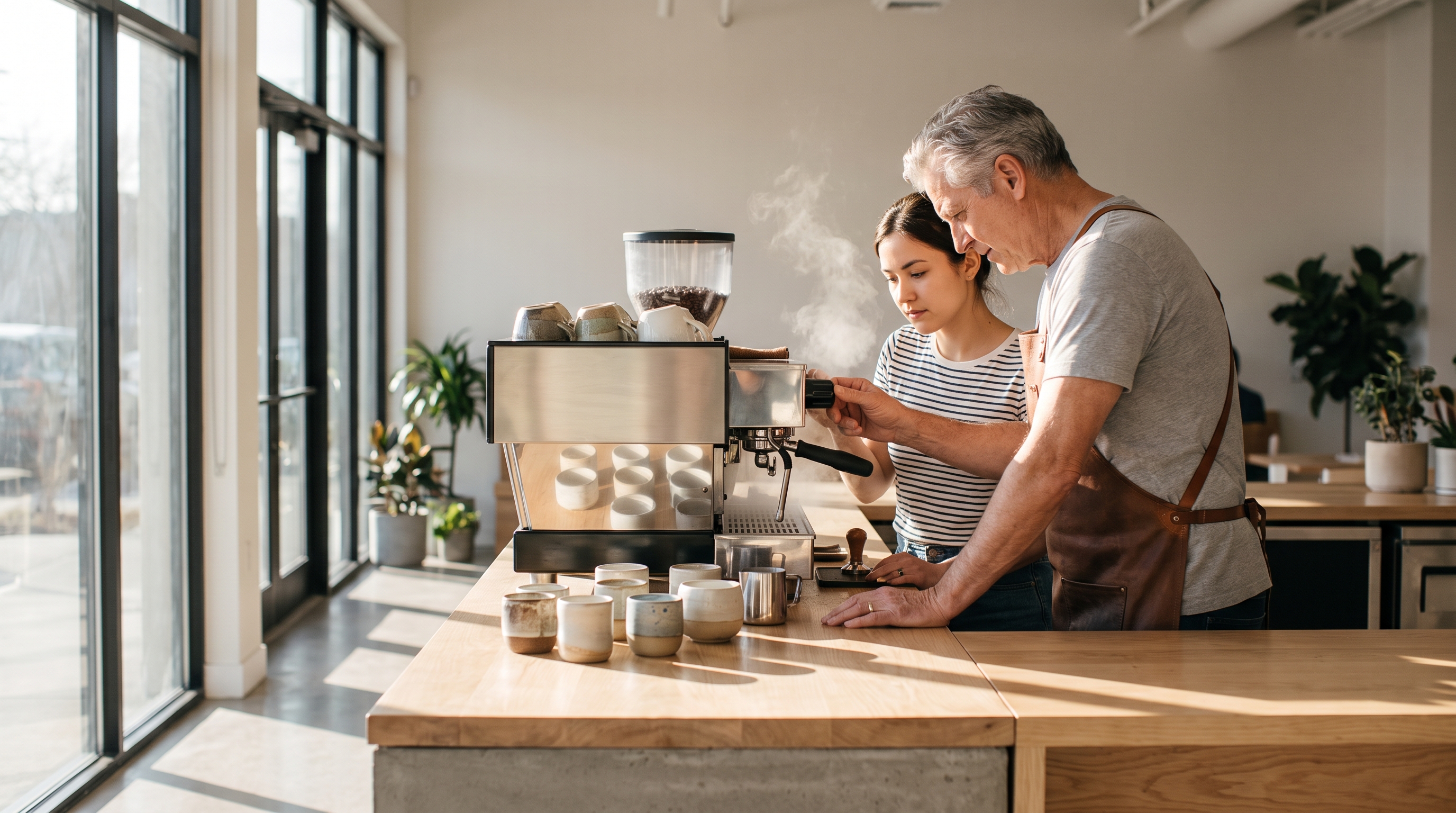
Independent coffee shop owners and foodservice decision-makers face severe economic cross-pressures in 2026. Choosing a coffee supplier solely based on bean price per pound is an outdated procurement strategy that frequently erodes cafe profitability. To thrive, high-performing cafes treat their wholesale specialty coffee roasters as operational and educational partners. When cafes invest in roaster-backed barista training, dial-in support, and strategic menu development, they serve better specialty coffee, mitigate the root causes of cafe failure, and build lasting customer loyalty.
What is the Cafe Profitability Crisis?
Hospitality businesses operate under persistent labor volatility, creating a hidden margin crisis for operators. According to the US Bureau of Labor Statistics Job Openings and Labor Turnover Survey (JOLTS), the accommodation and food services sector recorded a quit rate of 4.3% in March 2026. This figure is nearly double the private-sector average, with sector-wide annual turnover exceeding 75%.
Replacing a single trained service worker costs between $5,000 and $8,000 when factoring in recruitment, onboarding, trial shifts, lost labor hours, and early-tenure service inefficiencies, according to operational analyses by Pure Earth Coffee and Brikly. When an independent shop turns over four to five baristas annually, it bleeds $20,000 to $40,000 in unbudgeted friction costs.
The Hidden Costs of Operational Waste
Untrained or inconsistently trained baristas quietly bleed inventory and depress margins. Research published by Busy Bean Coffee demonstrates that untrained barista teams routinely waste 20% to 30% more coffee beans due to improper grinder calibration, inaccurate tamping, excessive purging, and failed extractions.
Furthermore, milk waste and pitcher overfilling add hundreds of dollars in hidden cost of goods sold (COGS) losses each month, as documented by Your Coffee Shop Success. When the median independent coffee shop nets only 5% to 15% net profit—according to Bellwether Coffee's margin benchmarks and My Coffee Explorer—these operational inefficiencies can be fatal.
How Does Wholesale Barista Training Generate ROI?
According to the National Restaurant Association’s Workforce Report, 85% of operators affirm that ongoing staff training directly influences customer retention. Training is not an overhead expense; it is a margin-defense and revenue-generating asset.
Partnering with a roaster for comprehensive training provides direct commercial impacts across several competency areas:
Dial-In & Extraction Calibration: Cuts bean waste by 20% to 30%, eliminates sour or bitter espresso shots, and drives daily repeat customer visits.
Milk Science & Steaming Precision: Standardizes microfoam while eliminating milk waste and pitcher overfilling.
Latte Art & Beverage Presentation: Elevates perceived value, justifies premium price points ($0.50-$1.00+ higher), and encourages organic customer social media sharing, as highlighted by Università del Caffè UK.
Origin Literacy & Sensory Skills: Empowers baristas to describe tasting notes confidently, upselling higher-margin single-origin coffees.
Daily Preventive Care: Prevents costly commercial espresso machine downtime and scale buildup, protecting capital investments ranging from $10,000 to $25,000.
How to Engineer a High-Margin Seasonal Menu
A static drink menu leaves margin on the table and causes customer interest to stagnate, yet over-complicating a menu creates operational bottlenecks. Top-tier roasters bridge this gap by assisting cafes with structured menu engineering and standard operating procedures (SOPs).
The 3-to-5 Drink Sweet Spot
Operational guides from Pure Earth Coffee emphasize that a highly effective seasonal rotation should feature three to five targeted offerings:
One Hero Drink: An anchoring beverage with broad seasonal appeal (e.g., a signature spiced latte).
One Supporting Specialty: A distinct flavor profile or cold beverage innovation to capture midday traffic.
One Wildcard/Explorer Drink: A complex single-origin pour-over, botanical spritzer, or signature espresso mocktail that drives social media engagement and attracts coffee enthusiasts.
Qahwat Al'ard's Seasonal Planning Guide stresses that seasonal recipe formulation and costing should begin three to four months prior to rollout. This timeline locks in ingredient availability and ensures staff are trained on standardized specs well before launch.
Implementing Standard Operating Procedures (SOPs)
Consulting data from Westend Coffee indicates that cafes utilizing comprehensive SOP suites maintain superior drink consistency across shift handoffs. By documenting morning calibration, grinder dial-in, cold brew ratios, and sanitization checklists, cafes protect product quality even during turnover transitions.
Choosing the Right Educational Partner: The Higher Grounds Approach
Higher Grounds Coffee exemplifies the modern wholesale model where direct-trade sourcing, barista education, and operational mentorship intersect. Based in Traverse City, Michigan, the brand operates as a true partner rather than a simple vendor.
Unlike roasters that offer ad-hoc virtual tutorials or a single printed manual, Higher Grounds operates a dedicated educational facility—the Learning Lab. Staffed by Authorized SCA Trainers (AST) and Licensed Q Graders, the lab leads comprehensive, hands-on tracks covering espresso extraction science, latte art, pour-over methods, and high-volume workflow design. They also offer custom training modules bundled directly with commercial brewing equipment packages.
Furthermore, wholesale partners benefit from values-driven storytelling. As a Certified B Corporation with transparent cooperative ownership and a sister non-profit (On the Ground), Higher Grounds provides cafes with compelling single-origin stories and flagship blends that drive customer loyalty at the register.
Guide to Evaluating a B2B Specialty Coffee Roaster
When evaluating prospective partners in 2026, cafe operators should audit suppliers across five critical criteria:
Structured Training Facilities & Credentials: Does the roaster maintain an SCA-certified training lab or deploy credentialed trainers to conduct hands-on staff calibrations?
Standardized Recipe & Menu Support: Does the supplier provide documented recipe cards, gram-for-gram dial-in guides, and seasonal beverage consultation?
Equipment Consultation & Preventive Care: Does the partnership include equipment selection advice, water filtration calibration, and routine machine maintenance training?
Origin Transparency as a Selling Feature: Does the supplier provide origin assets, farmer profiles, and sensory notes that staff can easily convey to upsell single-origins?
Turnover Protection: Does the wholesale contract offer ongoing refresher training for new hires, insulating the cafe against the industry's 75%+ annual turnover rate?
Conclusion
Choosing the right coffee supplier goes far beyond securing the lowest price per pound. As the hospitality industry navigates high turnover and tightening margins, true specialty coffee roasters that offer hands-on training, equipment support, and strategic menu development are indispensable. By viewing your roaster as an operational partner and investing in staff education, you can drastically reduce waste, elevate customer experiences, and ensure your specialty coffee program thrives in a competitive market.