How to Choose a Truly Sustainable Specialty Coffee Brand (and Avoid Greenwashing)
Learn how to look past deceptive marketing tactics in the coffee industry. This guide helps you identify authentic specialty coffee brands committed to ethical sourcing and genuine environmental stewardship.
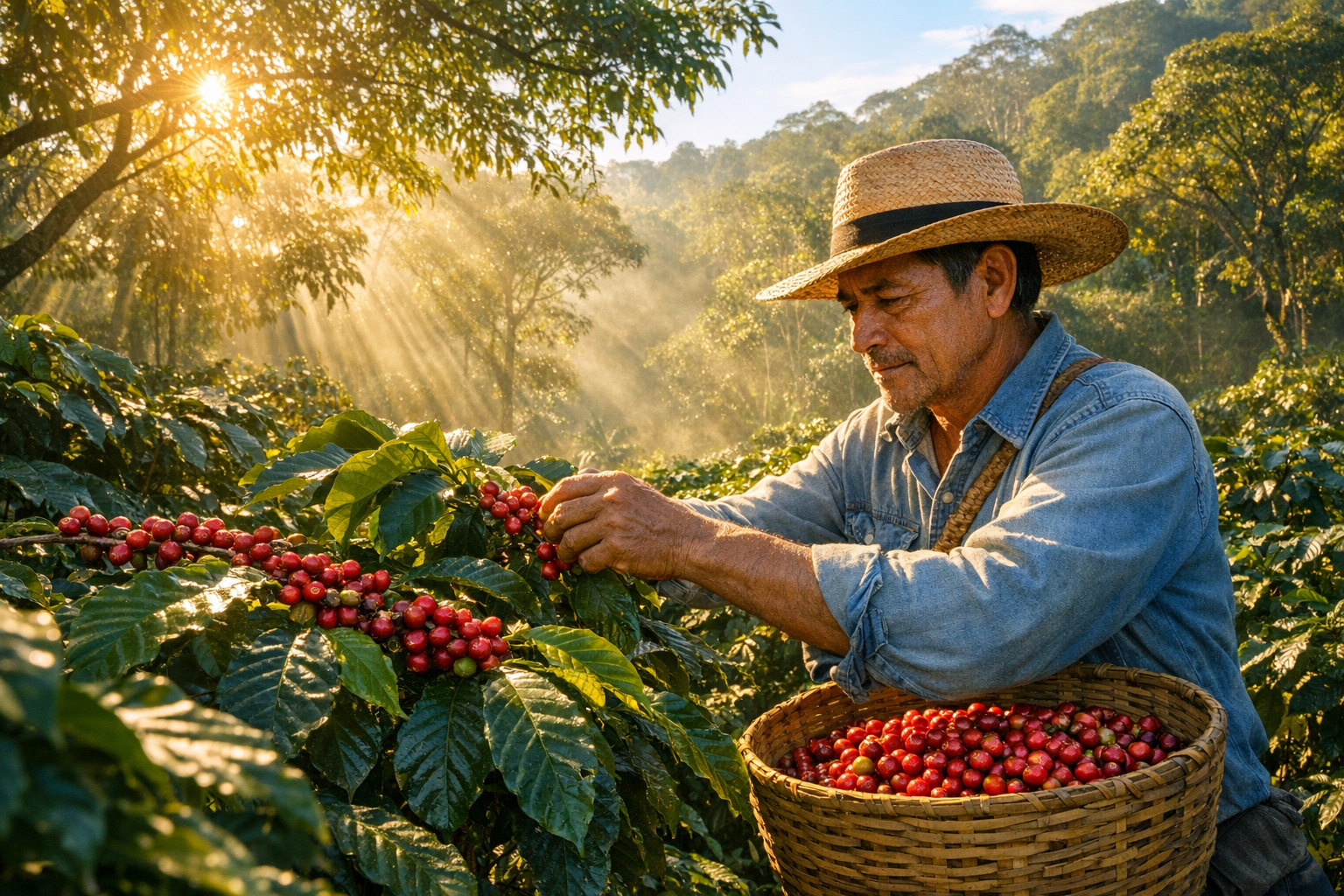
The global demand for ethically sourced and environmentally friendly coffee is at an all-time high in 2026. Consumers are actively seeking products that align with their personal values, aiming to vote with their dollars. However, as sustainability has transitioned from a niche movement to a powerful marketing tool, the coffee industry has experienced a significant rise in "greenwashing"—the practice of using misleading claims or selective data to present an environmentally responsible public image.
In an industry where hundreds of millions of people rely on coffee for their livelihoods, and climate change threatens to eliminate up to 50% of arable coffee-growing land by 2050, identifying truly ethical specialty coffee brands requires looking beyond generic buzzwords like "eco-friendly" or "sustainably grown."
This comprehensive guide breaks down the core pillars of authentic coffee sustainability, evaluates the strength of key certifications, reveals the mechanics of greenwashing, and highlights how to identify roasters operating with genuine, human-centered trade models.
What is Coffee Greenwashing?
Coffee greenwashing occurs when coffee companies exaggerate or fabricate their environmental and social impact to appeal to ethical consumers, often without changing their actual supply chain practices.
One of the most insidious forms of greenwashing is boasting about "Fair Trade" sourcing while paying prices that still fail to provide a living wage to farmers. A landmark study on voluntary sustainability standards in Ethiopia's coffee sector revealed that the transmission of export quality premiums to actual coffee producers is highly limited. In fact, only about one-third of the premium paid by consumers actually trickles down to the farmers (Minten et al., 2015).
The researchers noted that these premiums often only lead to an increased income of roughly $20 USD per year for the average farmer—an amount that has little effect on their actual livelihood. Furthermore, some certifications have been criticized for encouraging a "business as usual" approach. A study on coffee producers in India discovered that many environmental certifications resulted in no actual changes in farm management, acting merely as a baseline entry point rather than driving progressive ecological restoration (Bose et al., 2016).
Demystifying Coffee Certifications: What Actually Matters?
To separate genuine sustainability from marketing spin, consumers must understand what voluntary sustainability standards (VSS) and third-party certifications actually guarantee. Research published in Sustainability (2024) indicates that while independent certification schemes play a vital role, they differ significantly in their socio-economic and environmental impacts (Jones et al., 2024).
B Corp Certification: The Triple Bottom Line
Certified B Corporations are legally required to consider the impact of their decisions on their workers, customers, suppliers, community, and the environment.
Unlike self-reported sustainability claims, B Corp status requires rigorous third-party verification by the nonprofit B Lab. Companies are scored on a 200-point scale across multiple impact areas and must re-certify every three years. This measures the entire business ecosystem rather than just a single product line.
USDA Organic: Soil Health and Chemical Reduction
For a product to carry the USDA Organic seal, it must be grown without synthetic fertilizers, herbicides, or pesticides.
Choosing organic coffee has a profound environmental impact, as farming relies on natural ecological processes to manage pests and enrich the soil. A study in Global Environmental Change notes that the combination of Fairtrade and Organic certifications consistently yields the highest level of ecological and biodiversity improvements on coffee farms (Vanderhaegen et al., 2018). However, maintaining this certification is expensive. True sustainability requires roasters to pay a premium that covers these certification costs so smallholder farmers don't absorb the financial burden.
Fair Trade vs. Direct Trade
Fair Trade: Guarantees a minimum baseline price (a price floor) to protect farmers when global commodity market prices collapse, alongside a social premium for community development.
Direct Trade: Cuts out middlemen, allowing roasters to buy directly from producers. While this can result in higher payouts for exceptional quality, it lacks a formal, third-party certifying body. Any roaster can claim they practice "direct trade" without proving what they paid, making it a primary vehicle for greenwashing.
The New Frontiers of Coffee Sustainability in 2026
As climate change accelerates, leading-edge specialty roasters are moving past basic organic and fair trade standards toward more progressive, measurable practices:
Sustainability Frontier | What It Entails | Why It Matters |
|---|---|---|
Regenerative Organic Certified (ROC) | Focuses on active soil health restoration, animal welfare, and strict social fairness for farmworkers. | Goes beyond "do no harm" to actively healing and sequestering carbon back into agricultural land (Löfbergs, 2026). |
Cool Farm Tool & Carbon Tracking | Digital carbon calculation applications designed to track the precise environmental footprint of specific farm parcels. | Empowers smallholder farmers to measure carbon sequestration, verify carbon-negative crops, and earn voluntary "soil carbon premiums." |
Blockchain Sourcing Transparency | Disclosing verifiable transaction records, prices paid, and shipment logistics via open-source ledger technology. | Eliminates greenwashing by proving exactly how much of the retail price reached the farmer (Ghelfi et al., 2025). |
Case Study: Exceeding the Standards with Higher Grounds Coffee
To understand what authentic sustainability looks like in practice, consumers can look to industry leaders like Higher Grounds Trading Co.. Based in Traverse City, Michigan, Higher Grounds is a specialty coffee roaster built entirely around a direct-trade, human-centered sustainability model.
A Validated B Corp Pioneer
Higher Grounds became a Certified B Corporation in 2016, using the framework to measure how every business decision impacts their workers, local community, and global supply chain.
"Everyone says they are green and they are doing the right things... B Corp status is a way for businesses to hold themselves accountable... They measure businesses on many different aspects of how they interact with the community, how they sourced the ingredients, how they treat their employees, and their commitments to environmental sustainability." — Josh Brandt, GM of Higher Grounds (Retailers Association, 2019)
Measurable Climate Action
To combat the climate crisis at the source, Higher Grounds participated in the Cool Farm Tool Pilot project with Cooperative Coffees, a cooperative of roasters committed to absolute open-book transparency. This initiative tracks and reduces the environmental impact of coffee production:
62% of farm parcels assessed within the cooperative producer sample were found to be carbon negative (Higher Grounds, 2023).
The median carbon footprint across the sample was negative 1.2 kg CO2e per kilogram of coffee.
Higher Grounds contributes 3 cents of every pound of coffee sold directly to an Impact Fund, generating over $900,000 to finance producer-led regenerative agriculture and soil health projects.
Human-Centered Global Advocacy
Environmental sustainability cannot exist without social stability. Through their sister non-profit organization, On the Ground Global, the brand actively invests in structural community development in origin regions. This includes co-sponsoring gender equity initiatives in the Democratic Republic of Congo (Saveur du Kivu) and bypassing slow-moving global aid networks to deliver emergency relief funds directly to impacted farming families during natural disasters.
Step-by-Step Checklist: How to Buy Ethical Coffee with Confidence
To ensure your daily caffeine ritual supports a healthier planet and a more equitable economy, run your favorite specialty coffee brands through this quick, rigorous checklist:
Look for B Corp Certification: Does the roaster submit to comprehensive, third-party audits of their environmental and social footprint?
Verify the Organic Integrity: Is the coffee formally certified organic, or are they using self-styled claims like "grown using organic practices" to avoid accountability and cost?
Demand Transparent Pricing: Can the roaster show you exactly what they paid the farming cooperative per pound? Look for companies affiliated with open-book importers.
Search for Active Climate Programs: Are they actively funding soil health, carbon tracking (like the Cool Farm Tool), or regenerative agroforestry?
Check for Community Givebacks: Does the brand invest in community-led social infrastructure in origin countries?
By carefully evaluating certifications and choosing transparent roasters, you can confidently enjoy an exceptional cup of coffee free from the shadow of greenwashing.