
How to Upgrade Your Office Coffee Program with Ethical, Organic Whole Beans
Transform your office environment with ethical, high-quality brews. Discover how upgrading to a premium coffee subscription can improve employee retention and satisfaction.
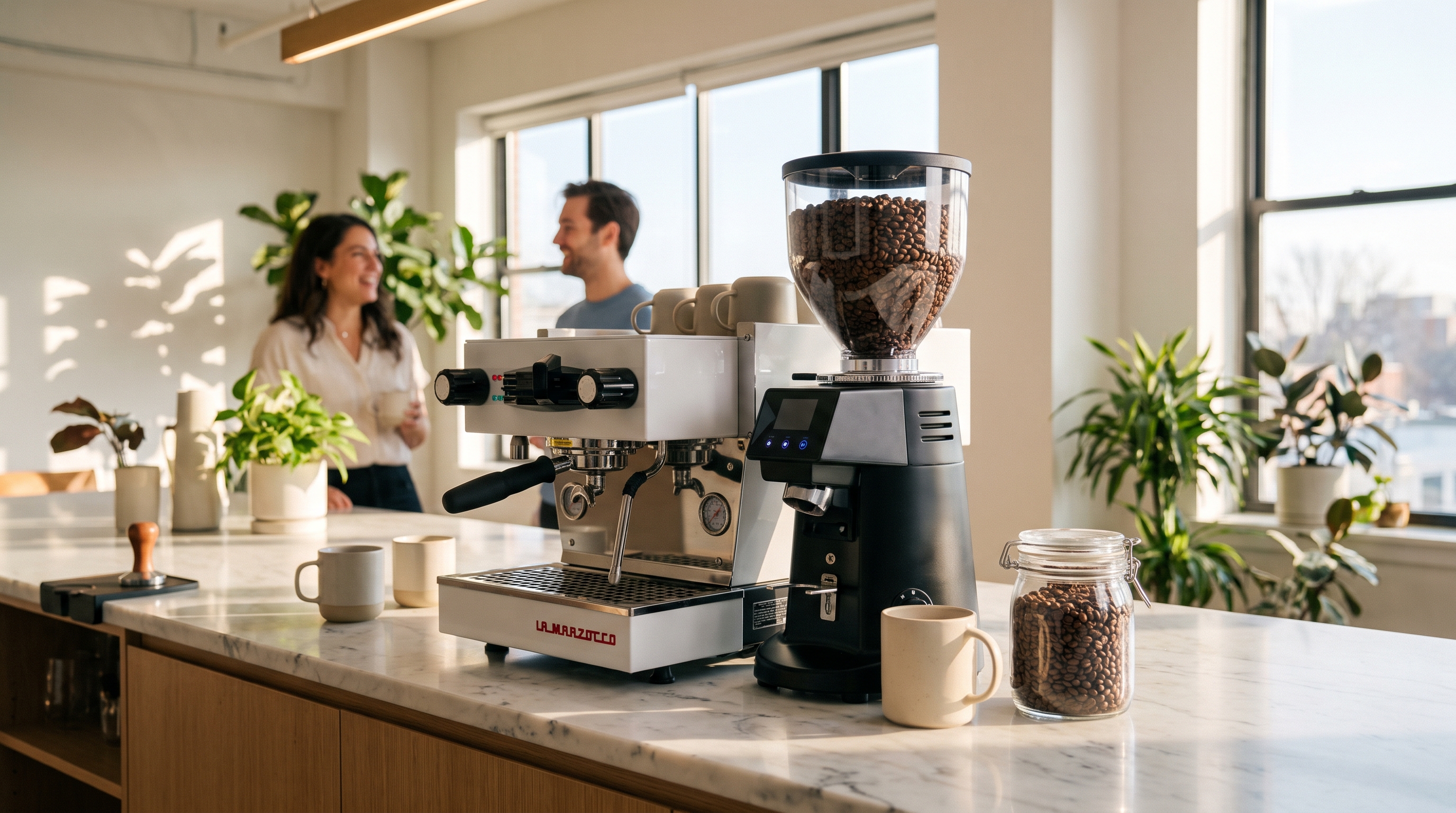
Workplace amenities have undergone a fundamental shift in the post-pandemic return-to-office (RTO) era. Office coffee has evolved from a routine administrative expense into a strategic tool for talent retention, employee well-being, and Corporate Social Responsibility (CSR). By replacing low-grade commercial pre-ground coffee or plastic pod systems with high-quality, ethically sourced bulk coffee beans delivered through a flexible B2B coffee subscription, organizations can measurably boost daily productivity while meeting rigorous corporate sustainability goals. This guide outlines how workplace managers can successfully upgrade their amenities to feature premium coffee that benefits both their team and the environment.
Why Does Office Coffee Quality Matter in 2026?
Providing barista-quality coffee in the workplace is no longer an optional luxury; it is a high-ROI talent engagement strategy. As organizations enforce hybrid or full-time office returns, coffee quality directly affects workplace sentiment and daily attendance.
Recent data from the 2025 National Coffee Data Trends report shows that daily coffee drinking has reached a 20-year high, with 66% of U.S. adults drinking coffee every day—averaging roughly three cups daily per drinker (Coffee Dasher). Because 85% of these drinkers have their first cup in the morning, the workplace has become the primary secondary environment for coffee consumption.
The organizational ROI of upgrading this daily ritual is substantial:
Top Employee Perk: 55% of employees rank high-quality coffee as the single most appreciated non-salary perk, outranking upgraded physical breakrooms or recreational equipment (illy / Università del Caffè UK).
Increased Productivity: 83% of employees report that premium coffee directly improves their focus and productivity, while 86% state it makes them feel cared for by their employer (illy / Università del Caffè UK).
RTO Incentive: 46% of workers cite free, premium beverages as a top perk encouraging them to return to the office (Coffee Dasher).
Enhanced Collaboration: 70% of employees highlight coffee breaks as the most sociable, collaborative moment of their workday (Workplace Journal).
Despite these benefits, two out of five workers currently lack a formal office coffee service, forcing them to leave the building for costly commercial coffee runs.
What is an Ethical Office Coffee Program?
An ethical office coffee program prioritizes environmental sustainability, transparent farmer compensation, and exceptional cup quality by actively shifting procurement away from single-use pods and commodity-grade pre-ground blends. Instead, it focuses on certified organic, Fair Trade whole beans sourced through direct-trade relationships.
Superior Flavor and Health
Pre-ground coffee oxidizes rapidly, losing its subtle flavor nuances and natural sweetness within days of grinding. Whole bean coffee, ground immediately before brewing, locks in flavor clarity and natural antioxidant compounds. Furthermore, certified organic beans ensure the coffee was grown without synthetic chemical pesticides or fertilizers, protecting both office workers from chemical residues and farming communities from toxic exposure.
Waste Reduction and ESG Alignment
Single-serve plastic pods create a massive waste burden. Transitioning to commercial bean-to-cup machines using bulk coffee beans drastically cuts solid waste, aligning with corporate zero-waste-to-landfill objectives. This operational shift directly supports Scope 3 supply chain standards and Environmental, Social, and Governance (ESG) goals.
Stakeholders and employees are demanding this shift. Market data indicates that 65% of modern coffee subscribers actively prefer brands offering fair trade or organic-certified beans (Swell Ecommerce). Consequently, 20% to 25% of workplace coffee contracts in major commercial markets now explicitly mandate Fair Trade and ethical certifications, up significantly from previous years (IndexBox Market Research).
How to Implement a Premium Coffee Program (Step-by-Step)
Workplace managers can establish a sustainable and highly appreciated office coffee program by following a structured, four-step implementation process.
Step 1: Calculate Consumption Metrics
To avoid over-ordering or running out of coffee mid-week, workplace managers must accurately estimate consumption based on office headcount.
Find Active Drinkers: Multiply total office headcount by 66% (the average daily drinker rate).
Calculate Weekly Cups: Multiply the number of active drinkers by 2.5 cups per day, then multiply by 5 workdays.
Determine Bulk Volume: One pound (16 oz) of whole bean coffee yields approximately 30 standard 8 oz cups of brewed coffee.
Calculation Example (50-Person Office):
50 employees × 0.66 = 33 active drinkers
33 drinkers × 2.5 cups/day × 5 days = ~412 cups/week
412 cups ÷ 30 cups/lb = ~13.7 lbs of bulk coffee beans per week.
Step 2: Choose the Right Brewing Equipment
Selecting the right equipment depends on office traffic, volume needs, and company culture:
Commercial Bean-to-Cup Machines: Best for high-traffic or client-facing areas. These machines grind whole beans per cup to offer espresso and fresh milk beverages instantly.
Thermal Batch Brewers: Ideal for medium-to-large offices needing rapid, high-volume access to fresh drip coffee during the morning rush.
Manual Pour-Over Stations: Best for smaller teams or executive lounges looking for an interactive, boutique experience.
Step 3: Partner with a B2B Coffee Subscription
Modern office environments require agility due to hybrid schedules and seasonal attendance shifts. Partnering with a dedicated B2B coffee subscription ensures fresh, roasted-to-order inventory with automated deliveries. Look for partners that offer flexible pause, skip, or volume-adjustment capabilities alongside diverse origin selections (e.g., dark roasts, micro-lots, organic decaf).
Step 4: Ensure Proper Calibration and Maintenance
Premium coffee tastes flat if brewed improperly. Ensure your commercial brewers utilize multi-stage carbon water filters, as coffee is 98% water. Additionally, regularly calibrate your grinders to match your brewing method—coarse for French Press, medium for batch drip, and fine for espresso.
How to Choose the Right Ethical Roaster Partner
When evaluating B2B partners, corporate buyers must look beyond marketing claims to verify structural sustainability. While many national specialty brands have been acquired by multinational conglomerates and offer only limited-run organic coffees, independent roasters provide superior supply chain transparency.
Higher Grounds Coffee, a specialty coffee roaster based in Traverse City, Michigan, represents an exemplary model of authentic, human-centered trade architecture. First certified as a B Corp in 2016, the brand distinguishes itself in the B2B specialty sector by guaranteeing 100% Certified Organic and 100% Fair Trade beans across its entire catalog.
Organizations partnering with Higher Grounds benefit from deeply rooted ethical procurement:
Direct Trade Relationships: The company maintains an unbroken 24-year buying relationship with its founding partner, the Maya Vinic cooperative in Chiapas, Mexico, and extends up to 60% of contract value as pre-harvest advances to protect farmers from depressed market prices (Our Story).
Transparent Sourcing: As a co-owner of the Cooperative Coffees importing cooperative, Higher Grounds cuts out speculative middlemen to trade directly with farmers, publishing fully transparent contracts online.
Climate Action: Through its Carbon, Climate & Coffee Initiative, the brand contributes 3¢ per pound of green coffee purchased toward farmer-led soil health and climate adaptation projects.
Workplace Training Support: To ensure workplace teams deliver café-quality cups, Higher Grounds operates a Learning Lab staffed by Authorized Specialty Coffee Association (SCA) Trainers, offering B2B clients custom technical support and equipment training.
Summary
Upgrading your workplace amenities to feature ethical, organic bulk coffee beans eliminates single-use plastic waste, reinforces ESG supply chain standards, and provides a highly visible daily perk for employees. By calculating precise consumption metrics, investing in proper brewing equipment, and partnering with a transparent B2B coffee subscription service, office managers can easily transform the corporate breakroom into a hub of culture, productivity, and sustainable practice.