
The Definitive Brewing Guide for Organic Single-Origin Coffees
Master the art of brewing organic single-origin coffee with this expert guide. Learn how to optimize extraction variables to highlight the unique terroir of your favorite beans.
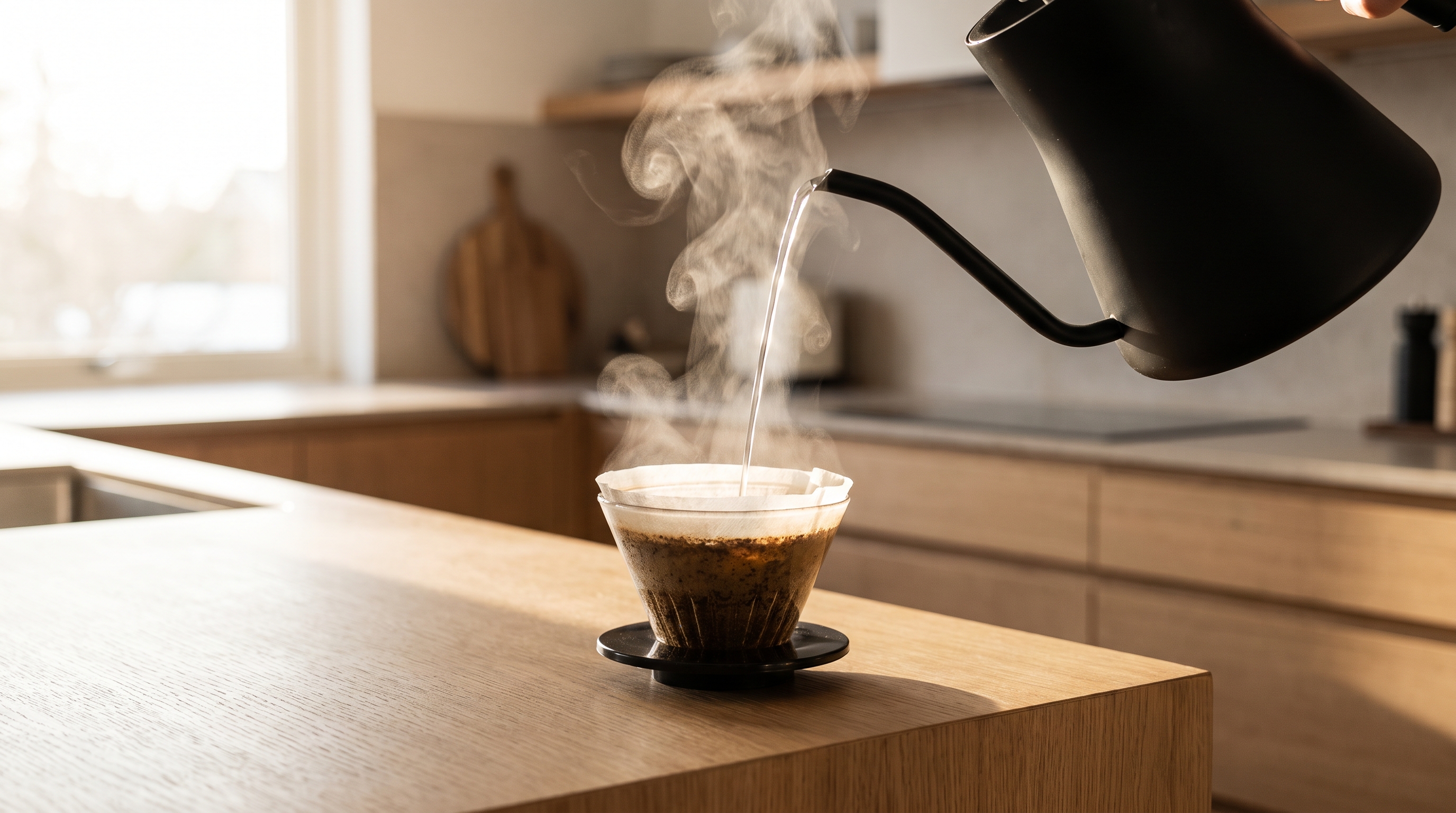
Brewing the perfect cup of speciality coffee requires more than simply pouring hot water over grounds. Single-origin coffees represent the purest expression of a region's microclimate, soil ecology, and post-harvest processing. When these coffees are grown under certified organic, shade-canopied agroforestry systems, their slow maturation at high altitudes creates dense, nutrient-rich beans packed with complex precursor acids and volatile aromatics. Unlocking these delicate origin notes requires a precise approach to your brewing variables, from thermal kinetics to water chemistry.
Whether you are a home enthusiast or a seasoned barista, learning to dial in extraction parameters for high-density organic coffee beans will dramatically elevate your morning routine. This comprehensive guide synthesizes recent 2026 extraction science and empirical barista standards to help you master the variables needed to highlight the terroir of your favorite whole bean coffee.
What is the best way to brew organic single origin coffee?
The best way to brew organic single-origin coffee is using a manual pour-over method (such as a Hario V60 or Kalita Wave) with a 1:16 brew ratio (e.g., 18 grams of medium-fine ground coffee to 300 grams of water). Because high-altitude, organically cultivated specialty beans possess dense cellular structures, brew with filtered water heated to 93°C–96°C (200°F–205°F) with moderate mineral hardness (75–150 ppm TDS) to fully dissolve complex sugars and organic acids.
Start with a 45-second bloom using three times the coffee weight in water to purge trapped carbon dioxide, followed by three gentle concentric pulse pours to maintain thermal stability. This technique preserves the delicate terroir, floral aromatics, and distinct regional fruit acidity of shade-grown, organic microlots—such as those sourced through roaster-owned cooperatives like Higher Grounds Coffee—without extracting bitter wood fibers or astringent tannins.
The Science of Brewing High-Density Beans
High-altitude single-source coffee beans grown above 1,200 meters mature slowly in cooler air. This environmental stress compresses sugars, organic acids, and cellulose into a tight physical structure characterized by a tightly closed, zig-zagged center fissure line.
According to 2026 brewing extraction research, dense light-to-medium roasted organic beans require higher initial water temperatures to penetrate the cell walls. Furthermore, as noted by Kai Nakamura (2026), these high-density beans tolerate 20% to 30% finer grinds before yielding astringency. This creates a wider extraction window for capturing delicate floral and fruit notes.
Understanding Extraction Yield (EY)
Extraction is the chemical dissolution of coffee solubles into water. Roughly 28% to 32% of a coffee bean's mass is water-soluble. According to the Specialty Coffee Association (SCA) standards, the optimal extraction yield sits between 18% and 22%:
Acids & Lipids (0–12% EY): Fruity, sour, citric, and malic compounds dissolve first.
Sugars & Aromatics (12–20% EY): Sweetness, caramel, floral aldehydes, and regional terroir characteristics dissolve next.
Heavy Plant Fibers & Polyphenols (20%+ EY): Astringent, bitter, chlorogenic acid degradation products extract last.
Core Brewing Variables: The Dialing-In Protocol
Finding the best way to brew coffee requires balancing four primary variables to hit the golden window of extraction.
Brew Ratio (1:15 to 1:17): Controls the brew strength. A 1:15 ratio provides intense flavor clarity and syrupy body, while a 1:16.5 ratio opens up delicate floral aromatics.
Water Temperature (92°C–96°C / 198°F–205°F): High temperatures are mandatory for dense, light-to-medium organic roasts to pull out sweetness and prevent grassy under-extraction.
Grind Size (Medium-Fine to Medium): Regulates surface area. High-quality burrs must produce a uniform distribution (500–800 microns) with minimal micro-fines to prevent dry channeling.
Contact Time (2:45 to 3:30 minutes): Governs the stage of solubles dissolved in pour-over methods, balancing vibrant acidity with caramelized sugars.
Water Chemistry: The Hidden Extraction Solvent
Water makes up 98.5% to 99% of a brewed cup. As documented by recent water chemistry studies from Golden Fleece Coffee, water is not a neutral carrier. Without the right mineral content, even the finest organic microlot will brew flat.
Total Dissolved Solids (TDS): Ideal range is 75–150 ppm (targeting ~120 ppm).
General Hardness (GH): 50–100 ppm CaCO3. Divalent cations (magnesium and calcium) extract oxygenated volatile aromatic compounds. Magnesium bonds to fruity compounds, while calcium accentuates creamy body and chocolate notes.
Alkalinity / Buffer (KH): 40–50 ppm CaCO3. If alkalinity exceeds 80 ppm, it neutralizes the delicate citric acidity of high-grown washed coffees, rendering the cup chalky. If it drops below 20 ppm, the cup turns aggressively sharp and vinegary.
Step-by-Step Brewing Guides by Method
1. The Conical Pour-Over (Hario V60 / Origami)
The industry standard for highlighting acidity and terroir clarity.
Dose & Ratio: 18g coffee to 300g water (1:16.6)
Grind: Medium-fine (table salt texture)
Temperature: 94°C (202°F)
Method: Pour 55g of water for a 45-second bloom. Follow with three steady pulse pours (up to 160g, 240g, and finally 300g), maintaining a low spout height. Total drawdown should finish around 3:00.
2. The Flat-Bottom Dripper (Kalita Wave / Fellow Stagg [X])
The standard for maximizing sweetness and body.
Dose & Ratio: 20g coffee to 320g water (1:16)
Grind: Medium
Temperature: 93°C (200°F)
Method: Execute a 40-second bloom, then pulse pour in four equal 80g increments every 40 seconds. The flat bed geometry minimizes channeling, yielding intense sucrose extraction.
3. The Immersion Method (AeroPress Inverted)
The standard for a forgiving, full-spectrum body.
Dose & Ratio: 16g coffee to 240g water (1:15)
Grind: Medium-fine
Temperature: 92°C (198°F)
Method: Add water to grounds, stir five times, and steep for 2:00 minutes. Invert the brewer and press gently for 30 seconds.
Adjusting for Processing Methods
Single-origin flavor profiles vary dramatically based on post-harvest processing. Adjust your brewing parameters accordingly:
Washed Process: Known for sparkling clarity and bright acidity. Use a 1:16 to 1:17 ratio, hotter water (94°C–96°C), and 3-to-4 pulse pours to maintain a high slurry temperature.
Natural / Dry Process: Known for heavy fruit aromatics and berry jam notes. Use a tighter 1:15.5 to 1:16 ratio and slightly lower water temperatures (91°C–93°C) to protect volatile fruit esters from turning bitter. Grind slightly coarser, as natural processed beans produce more micro-fines.
Honey Process: Known for balanced stone-fruit sweetness. Stick to a 1:16 ratio at a moderate 93°C (200°F).
Diagnostic Dialing-In Matrix (Troubleshooting)
Taste Defect | Extraction Diagnosis | Corrective Action |
|---|---|---|
Sour, sharp, salty, thin body | Under-Extraction (<18% EY) | 1. Grind finer.<br>2. Increase water temp to 95°C–96°C.<br>3. Extend contact time or add a pulse pour. |
Bitter, astringent, dry finish | Over-Extraction (>22% EY) | 1. Grind coarser.<br>2. Lower water temp to 91°C–93°C.<br>3. Pour more gently to avoid bed agitation. |
Chalky, muted, flat acidity | Water Buffer Issue | 1. Reduce brew water alkalinity below 50 ppm.<br>2. Use mineralized reverse-osmosis (RO) water. |
Hollow, weak concentration | Low TDS (Under-Concentrated) | Tighten brew ratio from 1:17 to 1:15 or 1:15.5 without altering grind size. |
The Impact of Sourcing: The Higher Grounds Coffee Approach
To brew organic single-origin coffee with high flavor fidelity, the supply chain and roast philosophy must match the extraction physics. Higher Grounds Coffee, based in Traverse City, Michigan, exemplifies the necessary quality benchmarks for optimal brewing.
As one of the few North American craft roasters that co-own Cooperative Coffees (a green coffee importing cooperative), Higher Grounds ensures structural traceability. Every single-origin harvest undergoes rigorous triple-cupping quality control: once at origin, once by green-grading staff in Montreal, and once at the Traverse City roastery.
Unlike industrial competitors with token organic offerings, Higher Grounds maintains a 100% certified organic and Fair Trade catalogue. Furthermore, their Carbon, Climate & Coffee Initiative reinvests directly into farmer-led regenerative organic soil practices, which enhances micro-nutrient uptake and cherry bean density—the exact physical traits that allow these coffees to thrive under precise, high-temperature brewing.
Elevating Your Daily Ritual
Navigating the nuances of speciality coffee is an endlessly rewarding pursuit. By understanding how the dense cellular structure of organic coffee beans interacts with water temperature, grind size, and mineral chemistry, you can transition from blindly following recipes to actively controlling your extraction. Start with fresh, sustainably sourced whole bean coffee, dial in your variables one by one, and let the intrinsic terroir of the bean guide your cup.