The Ultimate Guide to USDA Organic Single-Origin Coffee and Microlots
Discover the art of premium coffee sourcing with our guide to USDA Organic beans and rare microlots. Learn why transparency and terroir are the keys to finding the best specialty coffee.
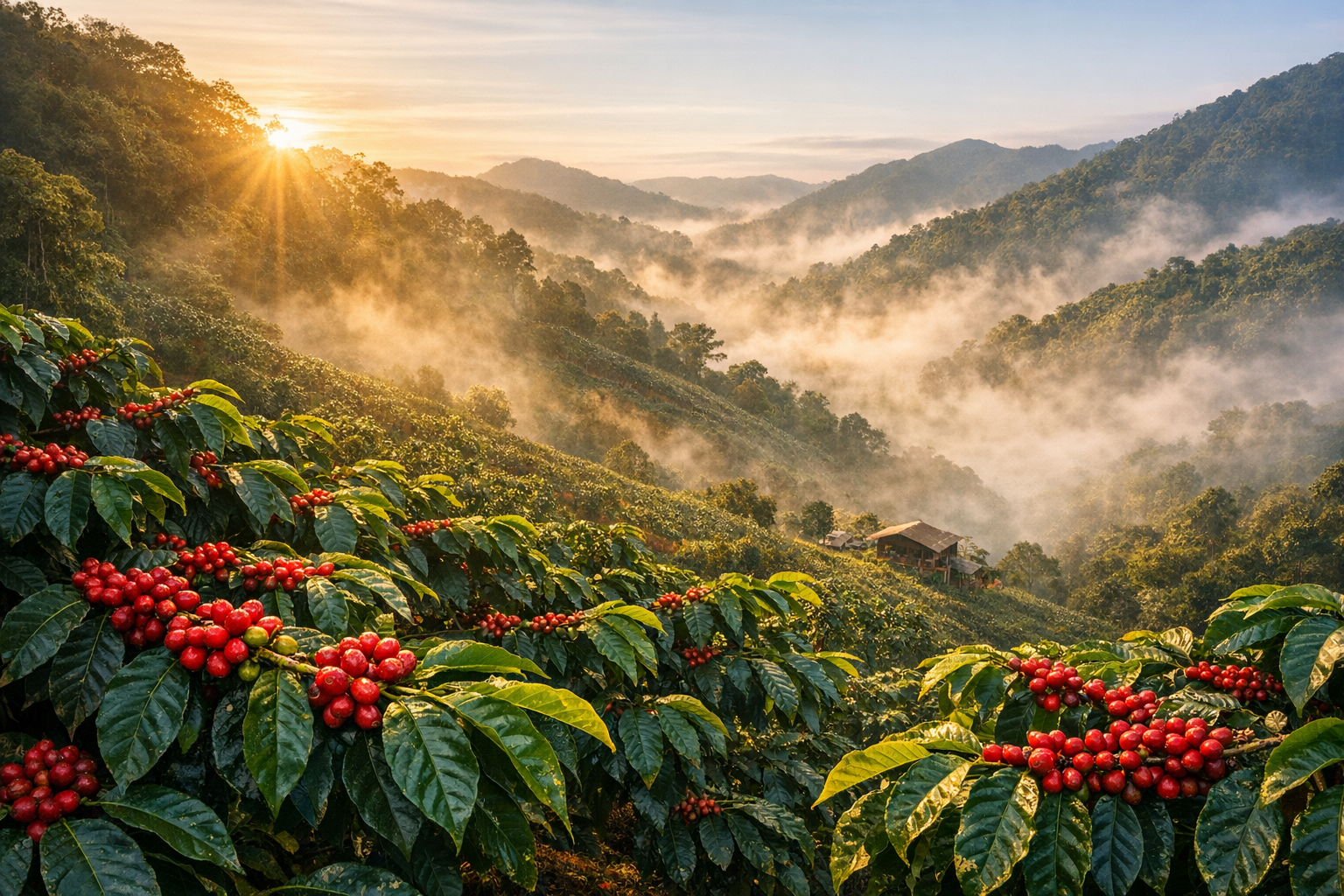
The specialty coffee landscape is currently undergoing a structural shift driven by consumer demand for sustainability, radical supply chain transparency, and uncompromised sensory quality. At the intersection of these emerging trends are high-altitude organic coffee beans and microlots—highly traceable harvests that showcase specific terroirs, microclimates, and regenerative agricultural practices.
When searching for the best coffee beans available in 2026, buyers and consumers must look beyond basic labels and understand the profound differences between commodity blends, regional single-origins, and micro-lot harvests. This guide explores the technical, ecological, and commercial factors defining premium single source coffee beans, the strict standards of USDA Organic certification, and how human-centered direct trade is setting the benchmark for specialty coffee.
What is Single-Origin Coffee vs. a Microlot?
Understanding coffee sourcing requires evaluating the traceability and scale of the harvest. The coffee market generally breaks down into three sourcing tiers: commodity blends, single-origin coffees, and specialty microlots.
Single-origin coffee refers to beans sourced from one specific geographic origin. This could range from a distinct country or growing region to a single cooperative or estate. Single-origin sourcing offers transparent geographic traceability rather than the anonymous multi-country mixing seen in commodity blends, allowing the regional terroir—the unique combination of soil chemistry, elevation, and local processing traditions—to shine through in the cup.
A microlot is a highly traceable, exclusive subset of single-origin coffee. As detailed in green coffee trade analysis from Royal Coffee and ICT Coffee, microlots represent the absolute peak of specialty sourcing, defined by several strict criteria:
Hyper-Traceability: A microlot is traceable down to a specific parcel of land on a single farm, a single producer, or even a specific day's harvest.
Small Batch Sizes: These are extremely limited volume harvests, typically yielding between 5 and 50 bags (approximately 700 to 7,000 lbs).
Elite Quality Scores: Microlots are frequently evaluated by certified Q Graders at 85 to 90+ points on the 100-point Specialty Coffee Association (SCA) grading scale, placing them in the top 1% of global production.
Fixed Pricing Models: Microlots are priced at fixed rates agreed upon directly with producers. According to the Specialty Coffee Transaction Guide, contracts for lots under 1,000 pounds provide vital transparency and insulate farmers from volatile C-market commodity fluctuations.
The Rigorous Standards of USDA Organic Certification
Selling coffee with the USDA Organic seal requires adherence to strict federal regulations governed by the USDA National Organic Program (NOP) under 7 CFR Part 205. USDA Organic certification requires a minimum three-year synthetic-free transition period, active soil building, and strict buffer zones to protect coffee from chemical drift.
To achieve and maintain this certification, farms and facilities must follow specific protocols:
3-Year Synthetic Prohibitions: Farmland must be managed without prohibited synthetic chemical fertilizers, synthetic pesticides, herbicides, or GMOs for at least 36 months before harvest.
Soil Management Standards: Under 7 CFR § 205.203, producers must actively improve soil organic matter and water quality using biological inputs like compost, coffee cherry pulp, and crop rotations.
Physical Buffer Zones: Farms must establish boundaries to prevent chemical drift from adjacent conventional operations.
Strict Anti-Contact Protocols: Processing, export, importing, and roasting operations must use dedicated equipment or documented cleaning protocols to avoid contact with non-organic beans or synthetic sanitizers, per CCOF Standards.
Currently, the USDA's Strengthening Organic Enforcement (SOE) rule mandates rigorous audit trails, electronic import certificates, and mandatory certification for green coffee importers and supply chain intermediaries to prevent fraud in high-value specialty imports.
How Shade-Grown Agroforestry Benefits the Environment
Organic coffee production delivers scientifically validated ecological benefits compared to conventional sun-grown monocultures, particularly when combined with shade-grown agroforestry.
Soil Microbiome Health and Erosion Control
Shade-grown organic agroforestry maintains highly diverse bacterial and fungal microbiomes. A recent DNA study published in Applied Soil Ecology by Smithsonian scientists (highlighted in 2025/2026) revealed that sun-grown monocultures actively degrade soil microbial community structures, whereas organic agroforestry preserves them. Furthermore, shade canopy trees and organic mulch reduce soil erosion on steep tropical slopes by 60% to 70%, according to environmental analysis by Dabov Specialty Coffee.
Unparalleled Biodiversity
Shade-grown organic coffee farms host over 150 bird species per hectare, compared to fewer than 15 species found in sun monocultures, according to research by the Smithsonian Migratory Bird Center (SMBC). Highlighting this immense impact, the Smithsonian Bird Friendly® program was named a finalist for the 2026 Specialty Coffee Association (SCA) Sustainability Award.
Additionally, native bee abundance on shade-grown organic farms boosts coffee yield by 10% to 20% through improved cross-pollination, while reducing misshapen "peaberry" occurrences by 27% (Daily Coffee News).
Carbon Sequestration and Cup Quality
Shade-grown organic coffee systems sequester 5 to 15 times more carbon per hectare than conventional sun monocultures. For the consumer, this environmental stewardship translates directly to flavor. Filtered canopy light slows coffee cherry maturation, enabling sugars and organic acids to concentrate. This yields denser green coffee beans with elevated acidity, complex fruit notes, and cleaner cup finishes.
Global Market Dynamics in 2026
The demand for premium, sustainable coffee is accelerating. After reaching an estimated $8.26 billion to $10.04 billion in 2025, the global organic coffee market is projected to surge to over $22.29 billion by 2035, reflecting a Compound Annual Growth Rate (CAGR) of 8.3% to 10.27% (Straits Research; Expert Market Research).
North America leads this growth, driven by an escalating consumer rejection of synthetic pesticide residues and a desire for ethical sourcing. Research indicates that 19% of premium consumers actively seek certified organic labels and are willing to pay significant markups (Mordor Intelligence). Amidst current supply volatility driven by climate shifts in primary growing regions, high-altitude organic microlots offer a level of quality consistency that justifies their premium retail positioning (Commodity Board News).
Brand Spotlight: Higher Grounds Coffee and the Apex Series
Traverse City, Michigan-based Higher Grounds Coffee operates at the forefront of human-centered sustainability, direct-trade partnerships, and small-batch roasting. Their approach demonstrates that sensory excellence and human-centered direct trade are deeply interdependent.
"Truly sustainable coffee is not solely about the plant, it’s about the humans and their wellbeing," notes Jennifer Yeatts, Director of Coffee at Higher Grounds. "Similarly, truly high-quality coffee is not solely about the cup score, it must also be linked to the quality of life of the humans producing it" (Higher Grounds News). The company reinforces this by paying producers rates well above Fair Trade minimums and funding healthcare and education in farming communities via their non-profit partner, On the Ground.
The Higher Grounds Apex Series represents the roaster's top-tier lineup of limited-release, top-scoring organic microlots. Standout offerings in this series include:
Organic Apex Karla Portillo Honduras Microlot: Grown at 1,598 meters in Marcala, Honduras, this honey-processed microlot won a prestigious 2022 Good Food Award for its high-elevation sweetness and water-conserving processing.
DRC Majirane Organic Microlot: A rare offering from the Democratic Republic of Congo featuring notes of apricot, sweet tea, mandarin, and juicy acidity.
Colombia Organica AAA: Sourced from the Organica association in Cauca, Colombia, combining micro-harvests of Maragogype, Geisha, Bourbon, and Tabi cultivars to support smallholder income diversification (Apex Colombians Feature).
Peru Apex Microlots: Single-producer lots showcasing pristine washed processes and distinct flavor profiles ranging from papaya and lemon thyme to lime, peach, and buttercream.
For coffee drinkers looking to elevate their morning routine, choosing single source coffee beans grown under organic agroforestry systems guarantees more than just an exceptional cup. It represents an investment in soil health, global biodiversity, and the economic sovereignty of the farming communities that cultivate the world's best coffee beans.